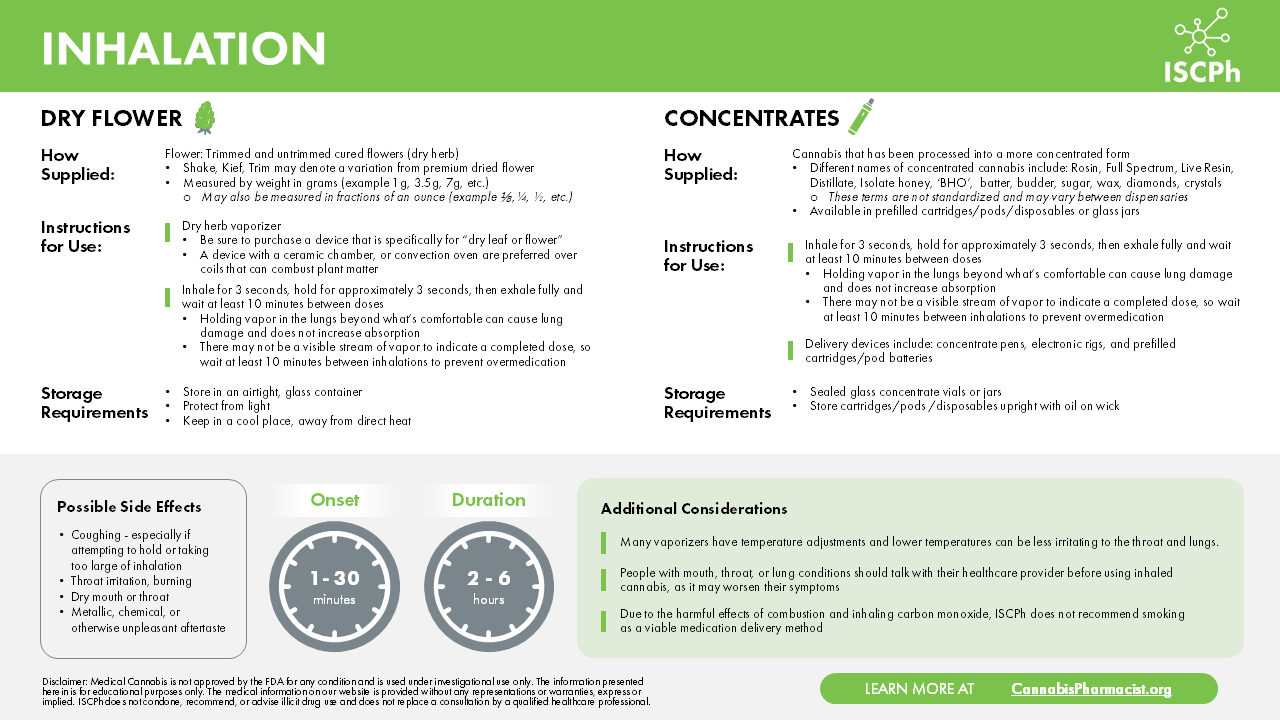
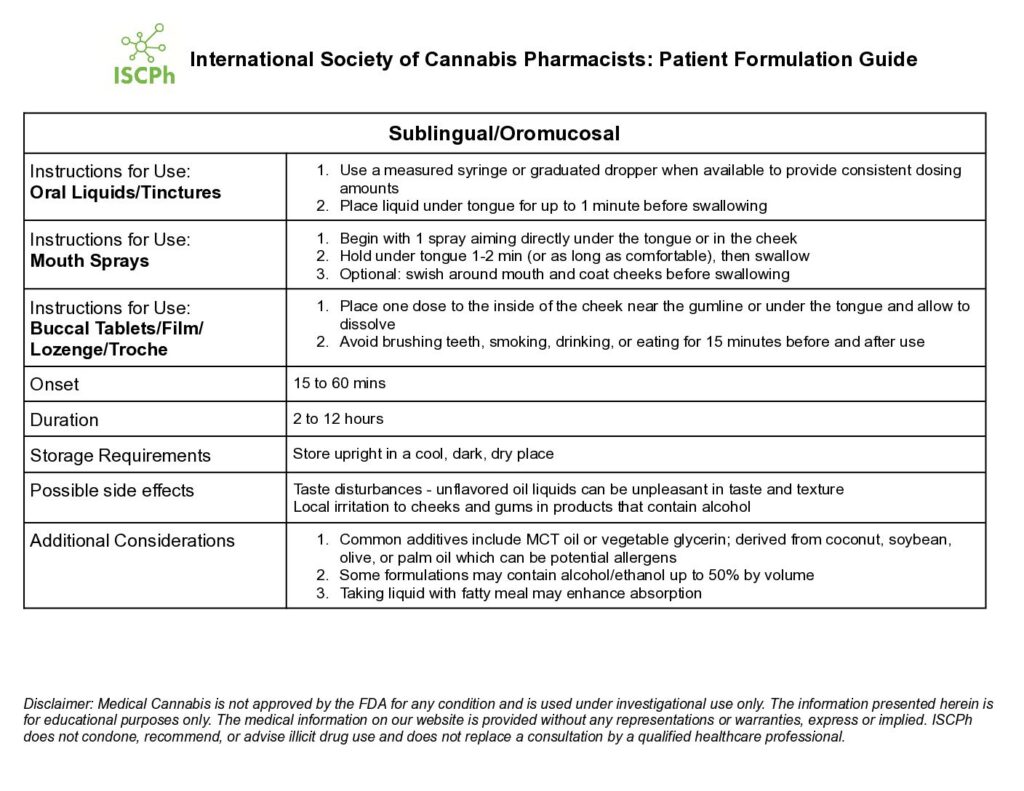
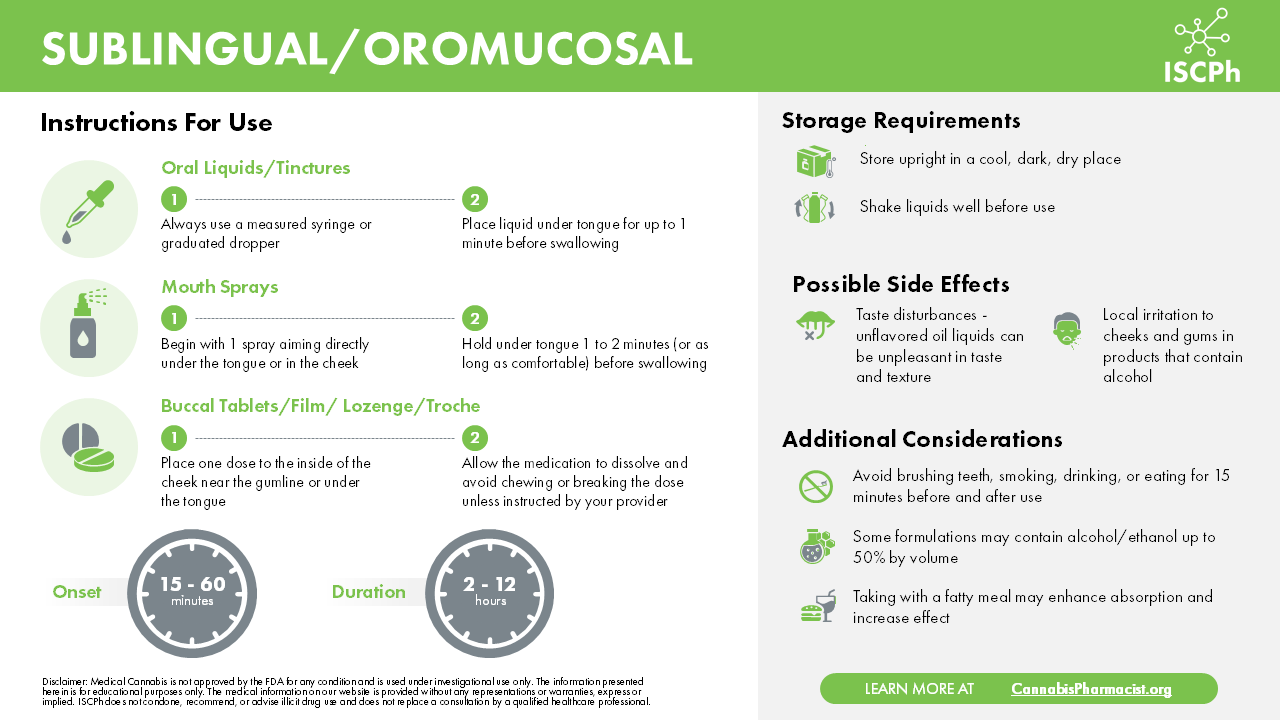
The International Society of Cannabis Pharmacists has developed patient-friendly formulation guides that explain the most common medical cannabis dosage forms, including sublingual products, oral formulations, topical preparations, suppositories, and inhaled products. These resources are designed to help patients better understand how different formulations work, what effects they may expect, how quickly they may experience benefits, and how long those effects may last. By providing clear, accessible information, these guides support informed decision-making and can be shared by healthcare professionals as practical educational tools throughout a patient’s treatment journey.
Patient education is a critical component of successful medical cannabis therapy. Unlike many traditional medications, medical cannabis products can vary significantly in their onset of action, duration of effects, cannabinoid content, and route of administration. Patients who are unfamiliar with these differences may develop unrealistic expectations, use products incorrectly, discontinue therapy prematurely, or experience avoidable adverse effects. Education helps patients understand that finding the most appropriate product and dose often requires a thoughtful, individualized approach that may involve gradual dose adjustments and ongoing monitoring. Setting realistic expectations from the beginning can improve adherence, enhance patient confidence, and contribute to better therapeutic outcomes.
Pharmacists play a particularly important role in this process because of their expertise in pharmacology, dosage forms, medication management, and patient counseling. They are uniquely positioned to explain how different cannabis formulations may affect onset, duration, and overall therapeutic response while also helping patients recognize potential side effects, drug interactions, and safety considerations. Pharmacists routinely manage complex medication regimens and controlled substances, making them valuable members of the healthcare team when integrating medical cannabis into a patient’s treatment plan. Through evidence-based counseling and individualized recommendations, pharmacists can help patients make informed decisions and use cannabis products more safely and effectively.
Successful medical cannabis therapy is often achieved through collaboration between patients, pharmacists, physicians, nurse practitioners, physician assistants, and other healthcare professionals. Ongoing communication and education allow healthcare teams to evaluate treatment goals, monitor effectiveness, identify adverse effects, and make appropriate adjustments over time. When patients have access to reliable educational resources and professional guidance, they are better equipped to navigate medical cannabis therapy, resulting in more consistent use, improved safety, and a greater likelihood of achieving desired therapeutic outcomes.
The International Society of Cannabis Pharmacists created patient friendly formulation guides that are easy to follow and cover the most common medical cannabis formulations; sublingual, oral, topical, suppositories, and inhaled. These guides can be downloaded and shared with patients as an education tool to ensure realistic expectations while experimenting with medical cannabis.
ISCPh_infographic 01
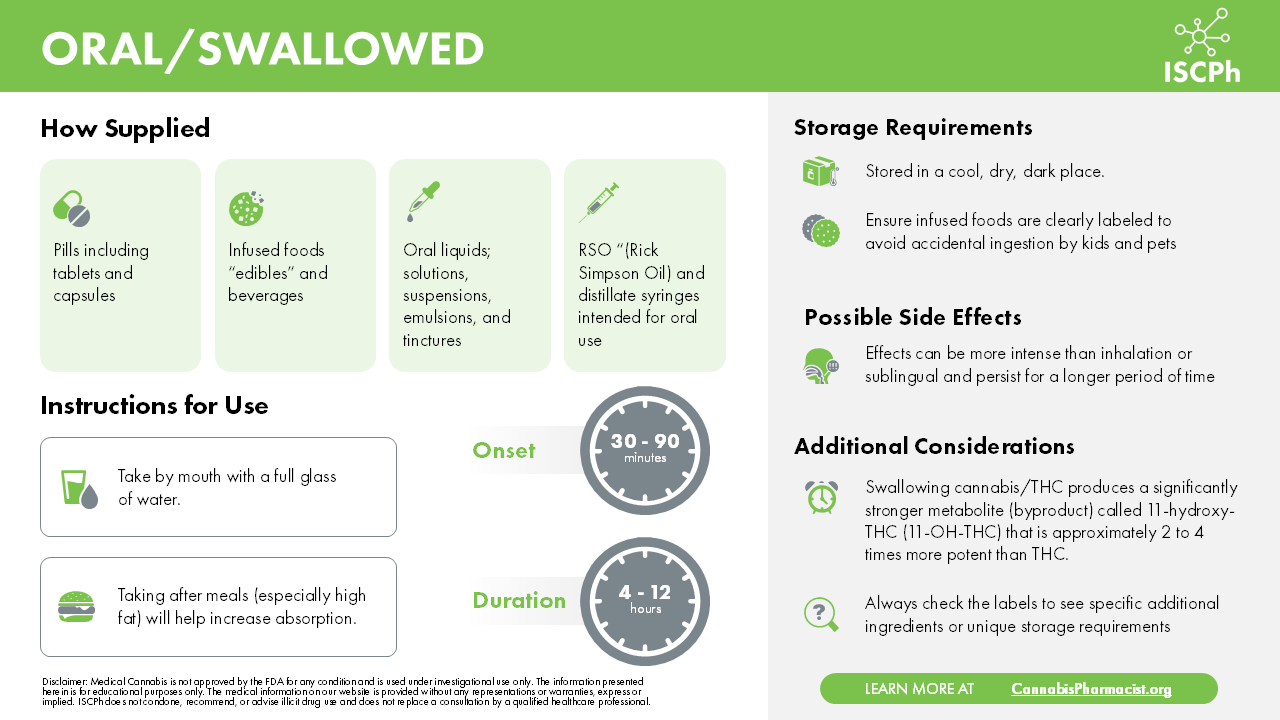
ISCPh_infographic 02
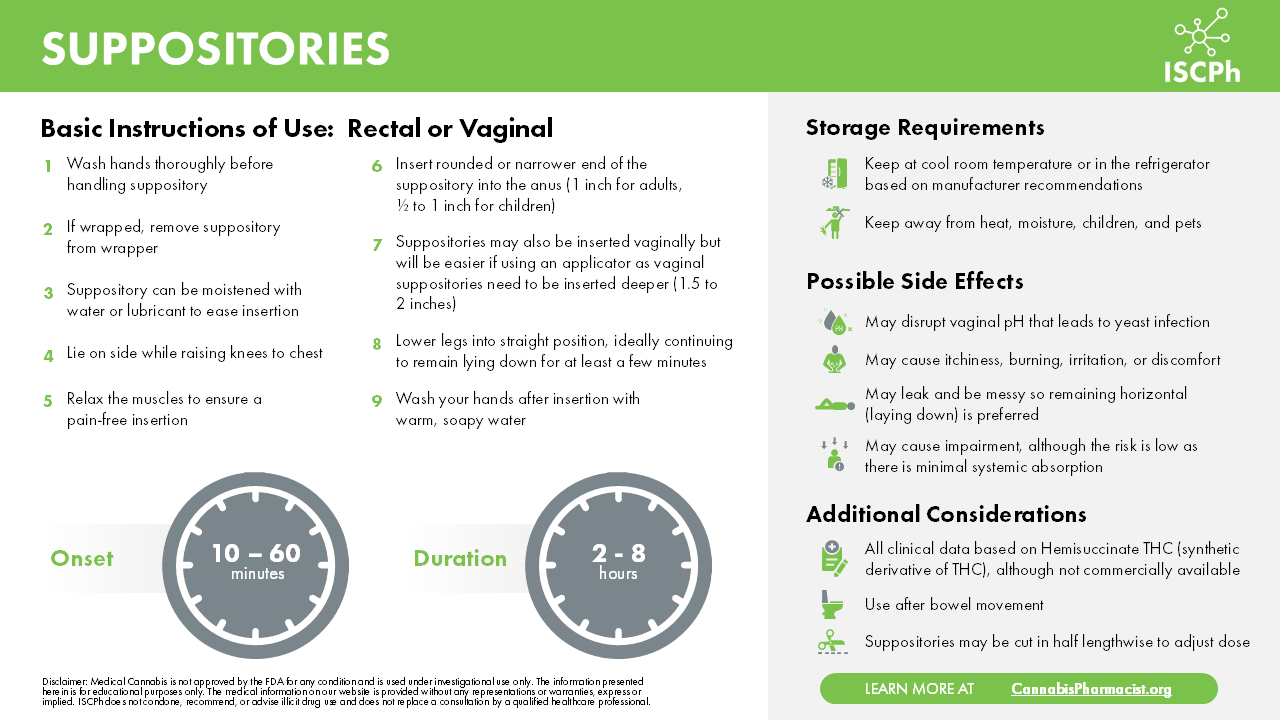
ISCPh_infographic 04
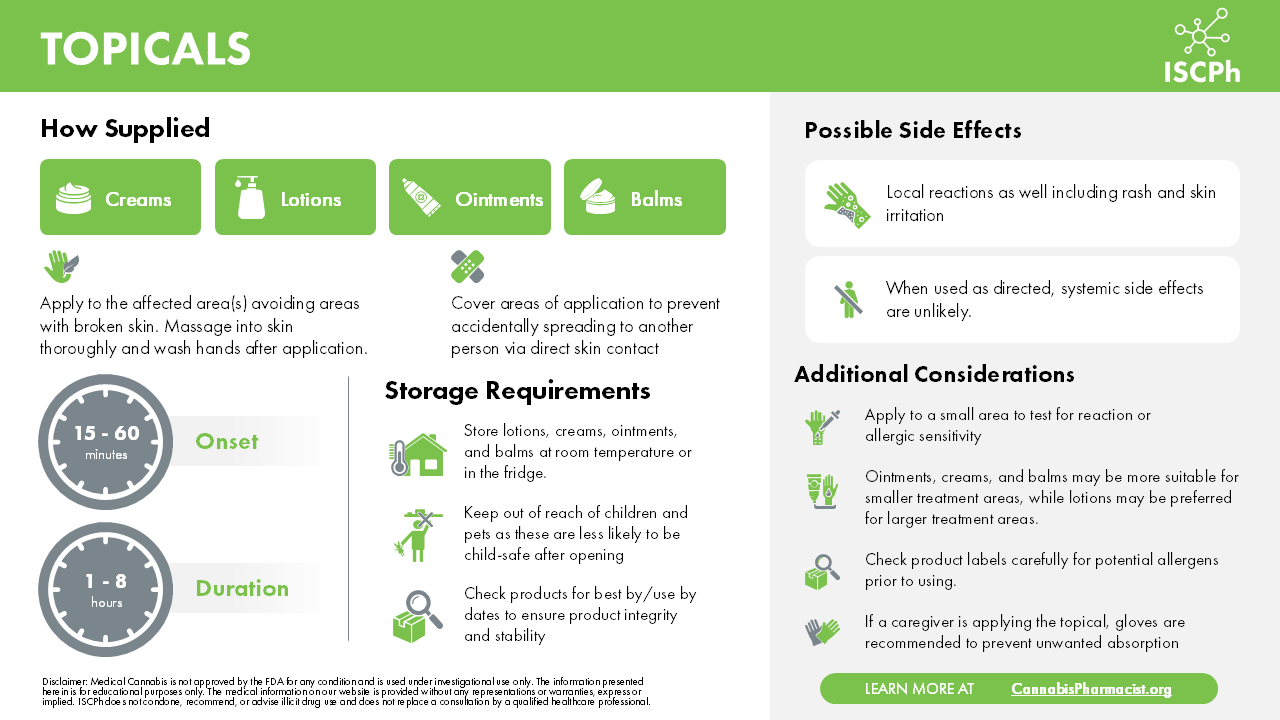
ISCPh_infographic 03
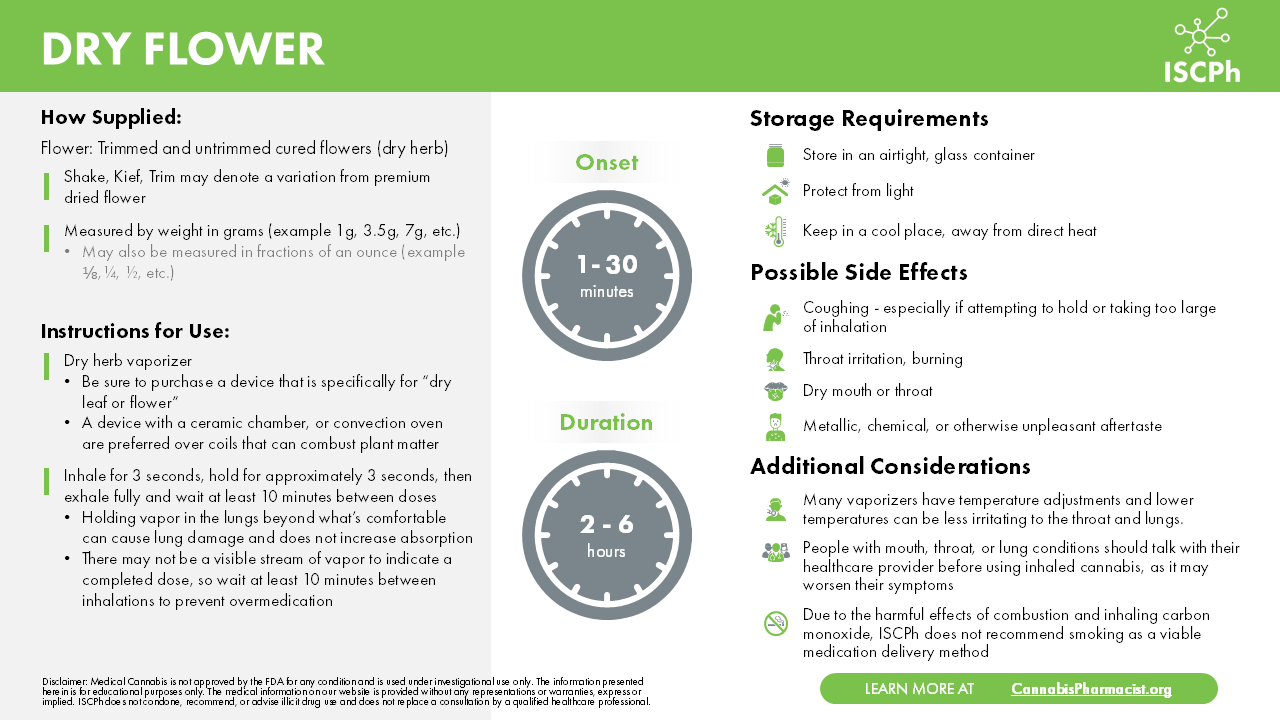
ISCPh_infographic 06
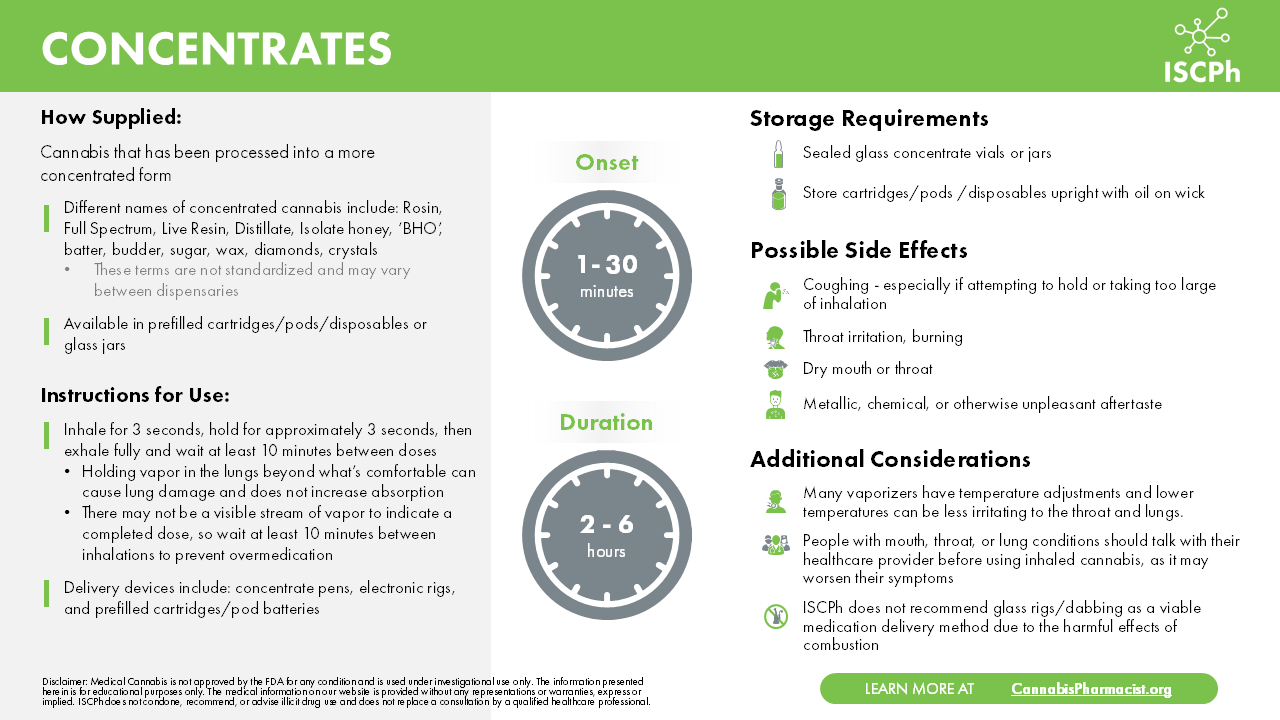
ISCPh_infographic 07